1946 – 1969
A baby in a suitcase
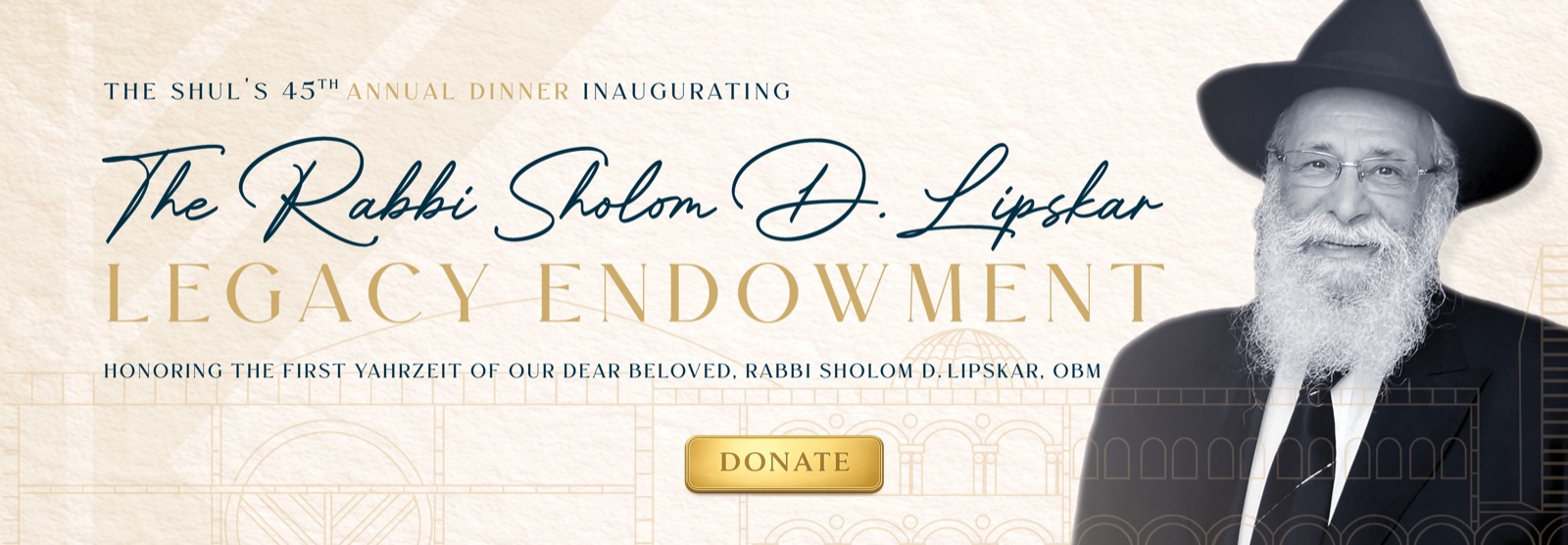
Sholom DovBer Lipskar was born on 4 Menachem Av 5706, 1 August 1946, in Tashkent, the second of five children of Rabbi Eliyahu Akiva and Rochel Baila Lipskar. That year Chabad Chassidim were escaping the Soviet Union on forged papers. The family had tickets for everyone except the newborn, so at twenty days old he was hidden in a suitcase with holes punched in its sides and carried across the border by his grandfather.
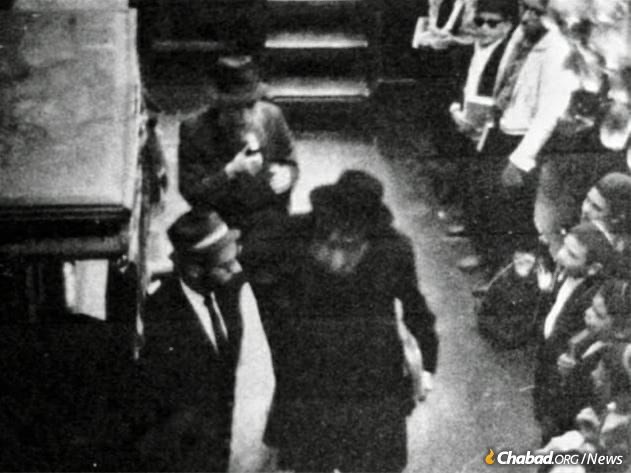
His first years were spent in displaced persons camps in Germany, and in 1951 the family settled in Toronto. At fifteen he went to the Lubavitcher yeshivah in Brooklyn, and from 1963 he studied at 770 Eastern Parkway, in the Rebbe's own synagogue. He never forgot his first private audience at age nine, when the Rebbe listened intently as he recited by heart two and a half pages of Talmud.
1969 – 1981
"I am traveling with you"
In 1968 he married Chani Minkowicz, and before Rosh Hashanah 1969 the Rebbe sent the young couple to Miami. At their last audience Chani confessed her fear of leaving everyone behind. The Rebbe smiled and told her, in Yiddish, that he was travelling with them, and asked that it be with joy.
At twenty-four he became dean of the Oholei Torah day school in Miami Beach and filled it with new ideas, sending children to spend Shabbos in their teachers' homes. A tennis wager led businessman Mel Landow to put on tefillin; in 1972 Landow gave $500,000 toward a new campus, which became the Landow Yeshiva Center, and the first yeshivah of higher learning in the American South. His Tuesday evening class drew as many as 800 people.
Miami is a showcase for American Jewry.
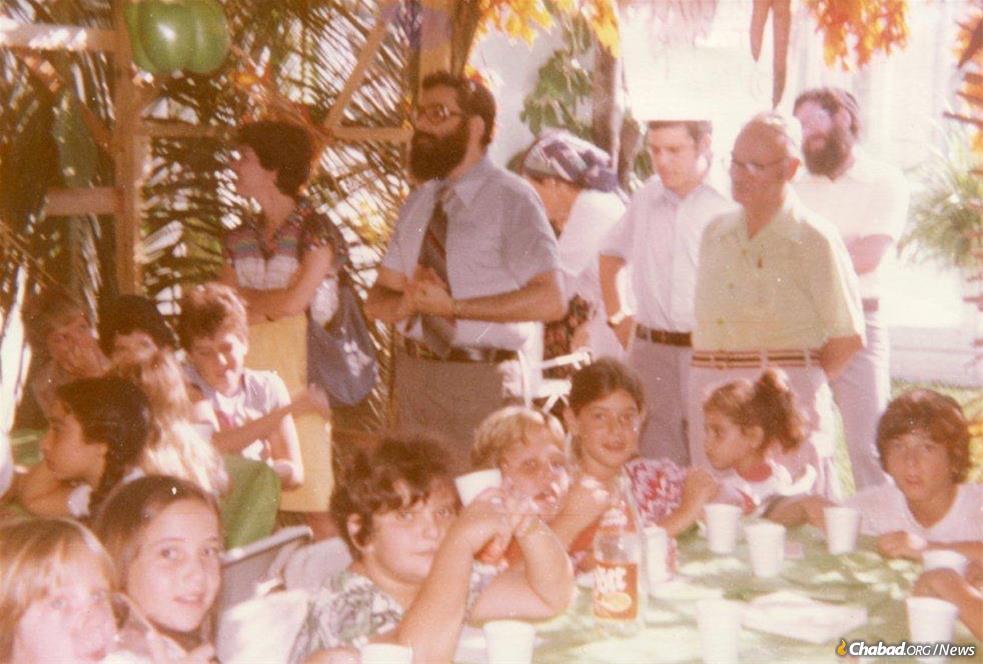
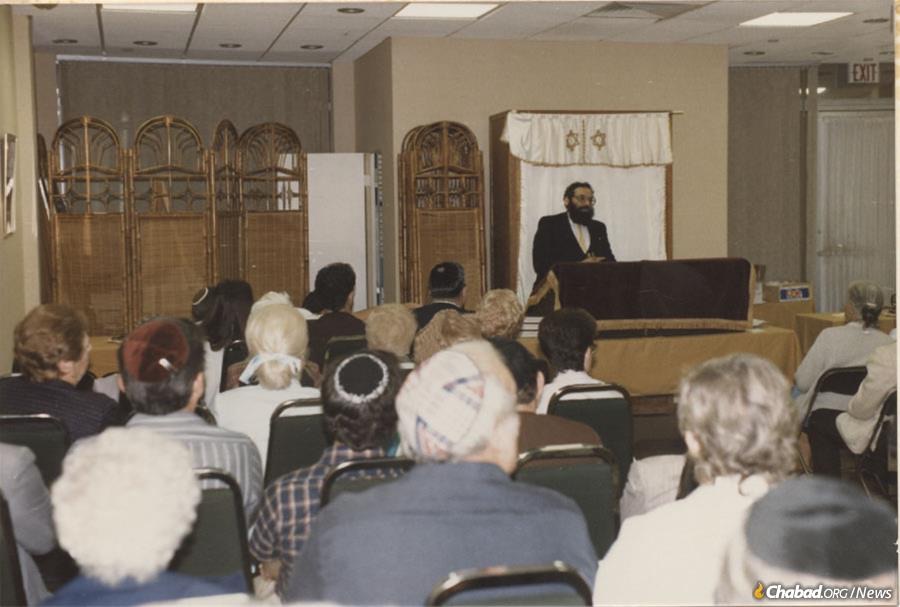
1981 – 1994
"This is the correct choice"
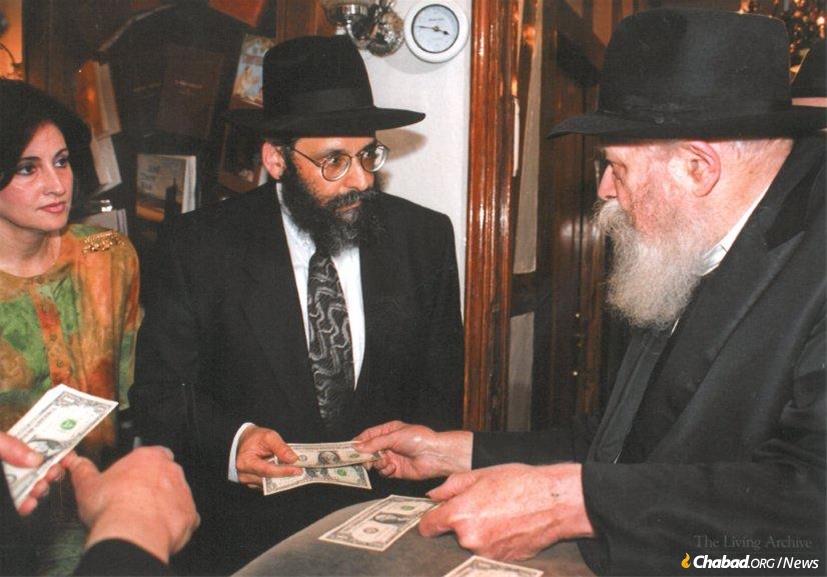
In 1981 a developer told the Rebbe about his plans in Bal Harbour, and the Rebbe asked why the town had no synagogue. Rabbi Lipskar asked whether he should go, and received the answer nachon ha'davar: this is the correct choice. In December 1981 he opened The Shul, with little fanfare, in a store in the basement-level shopping arcade of the Beau Rivage Hotel, driving up from Miami Beach each week with Chani and their two small children.
The Shul grew through a shoe store, the Sheraton and a larger storefront. In 1991 it broke ground on its own building, the rabbi himself ramming a bulldozer into one of the old motels on the site, and three years later the building on Collins Avenue was finished: a South Florida landmark that changed what a Chabad centre could look like.
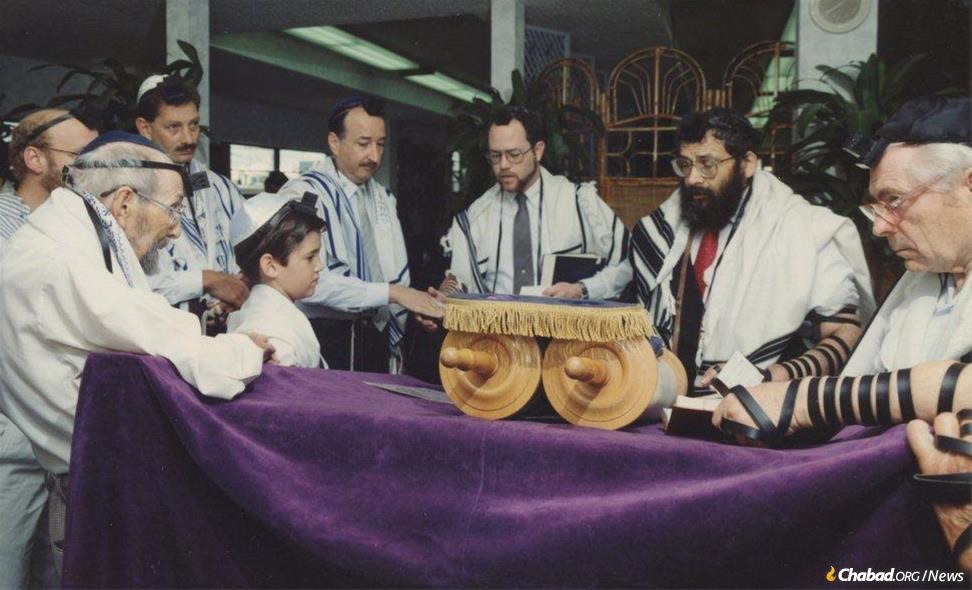
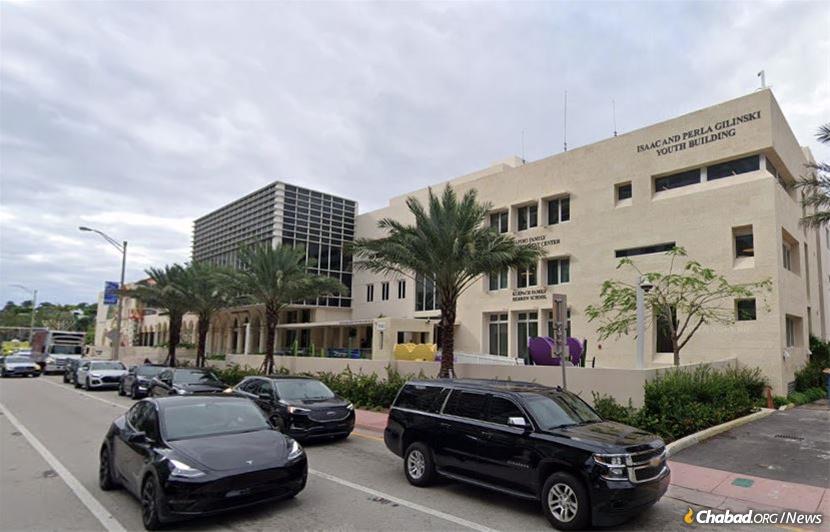
1981 onward
Lift the building from the bottom
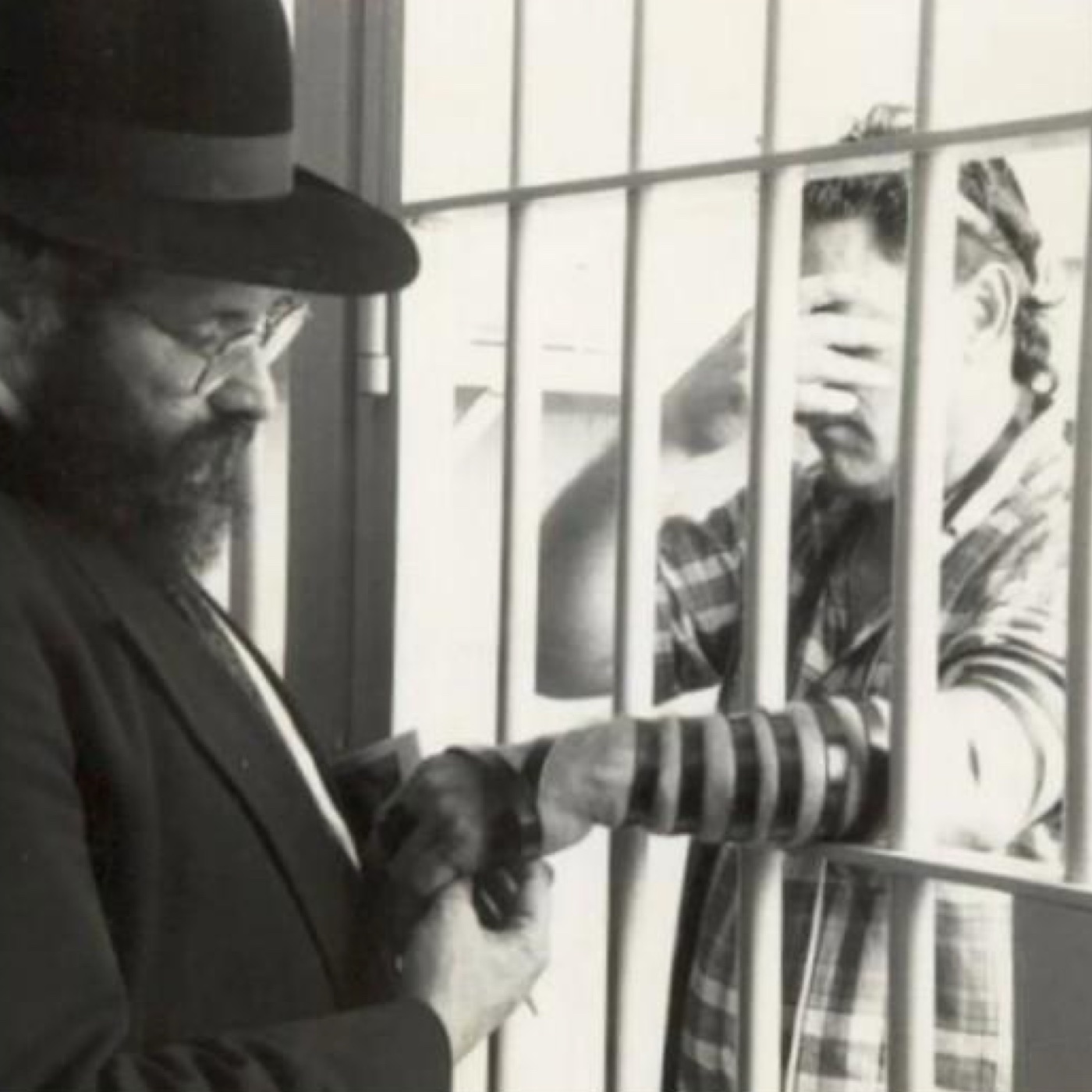
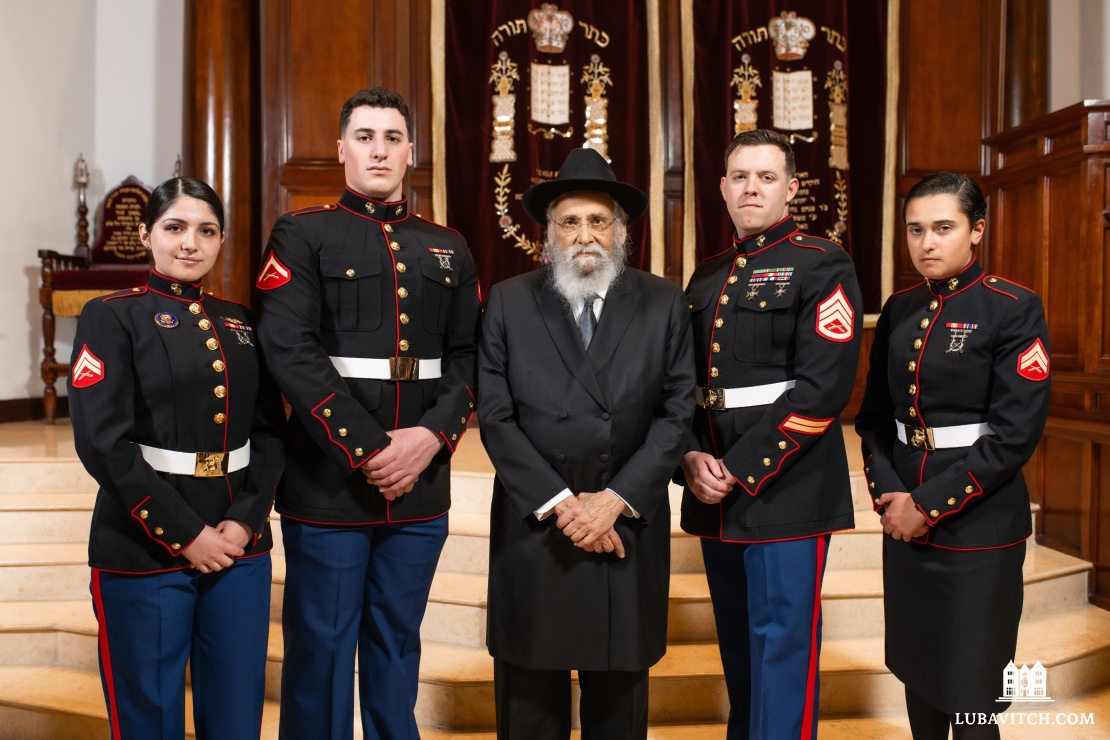
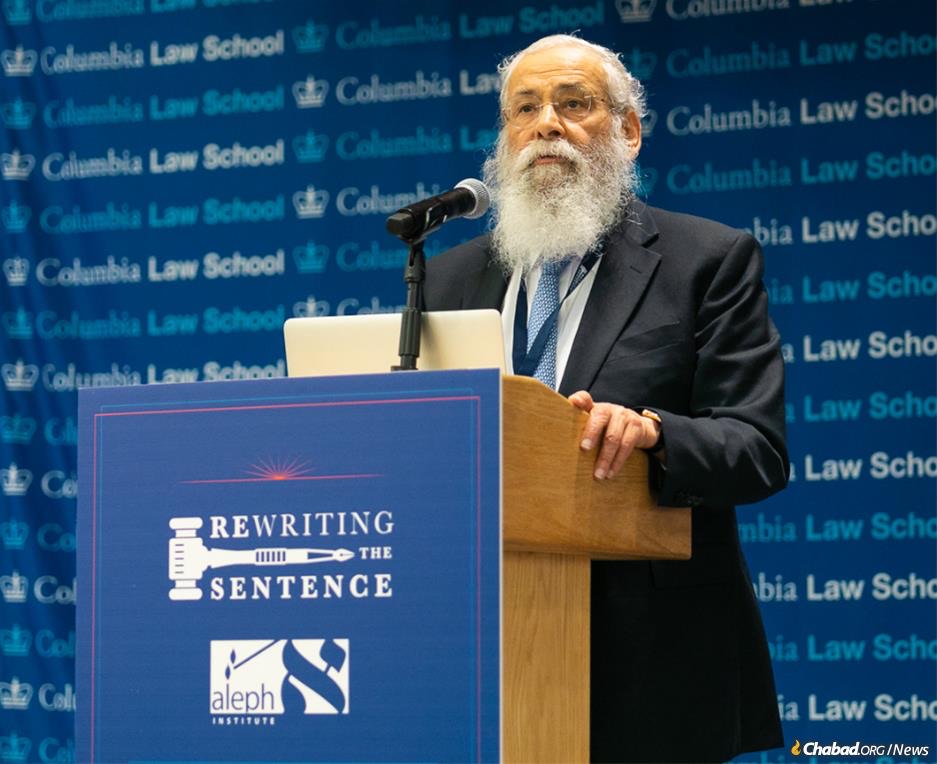
The same year he founded The Shul, he founded the Aleph Institute, to support Jews in prison and those serving in the military, and their families. It grew into the largest Jewish organisation caring for the incarcerated, pioneered alternative sentencing, and helped shape the First Step Act of 2018. Its military division endorses Jewish chaplains in the U.S. Armed Forces.
He explained it with the Rebbe's image: you do not lift a building from the top; you place the lever at the bottom. A society, he said, is judged by how it treats the most unfortunate.
A father to a community
Spiritual father to generations
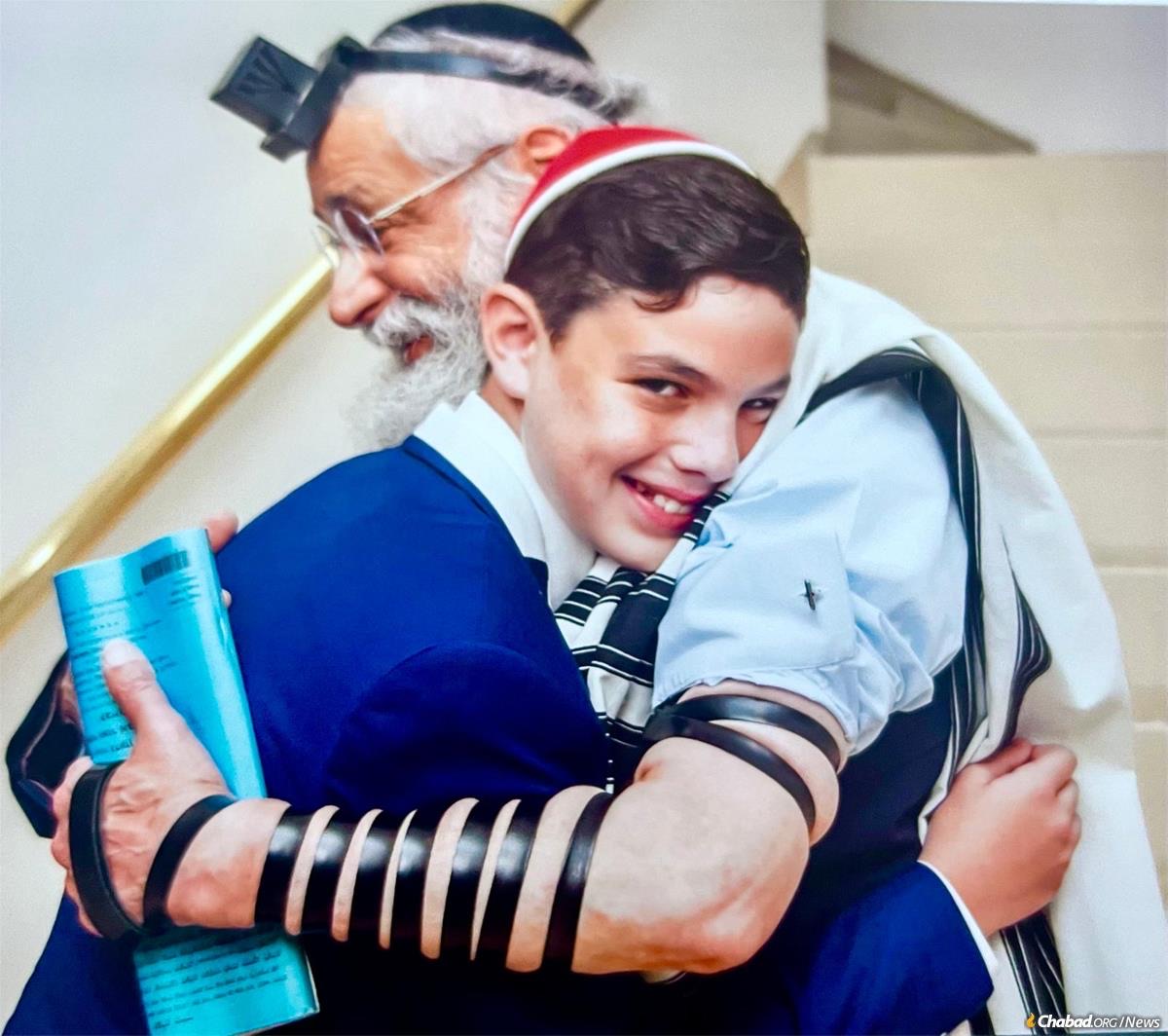
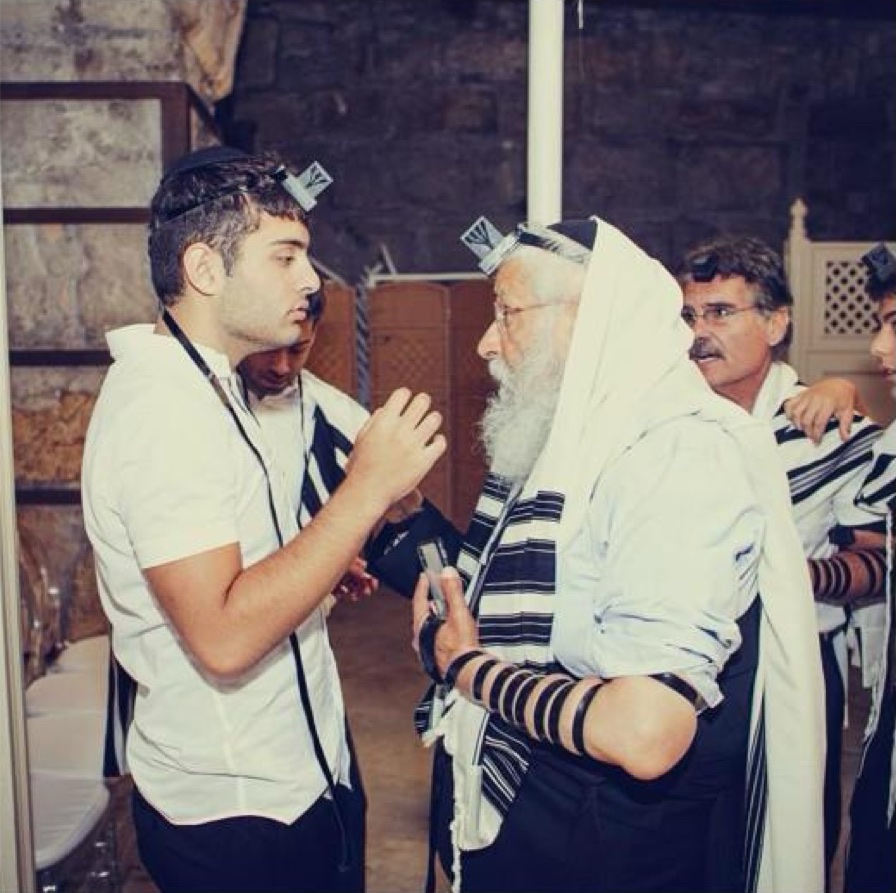
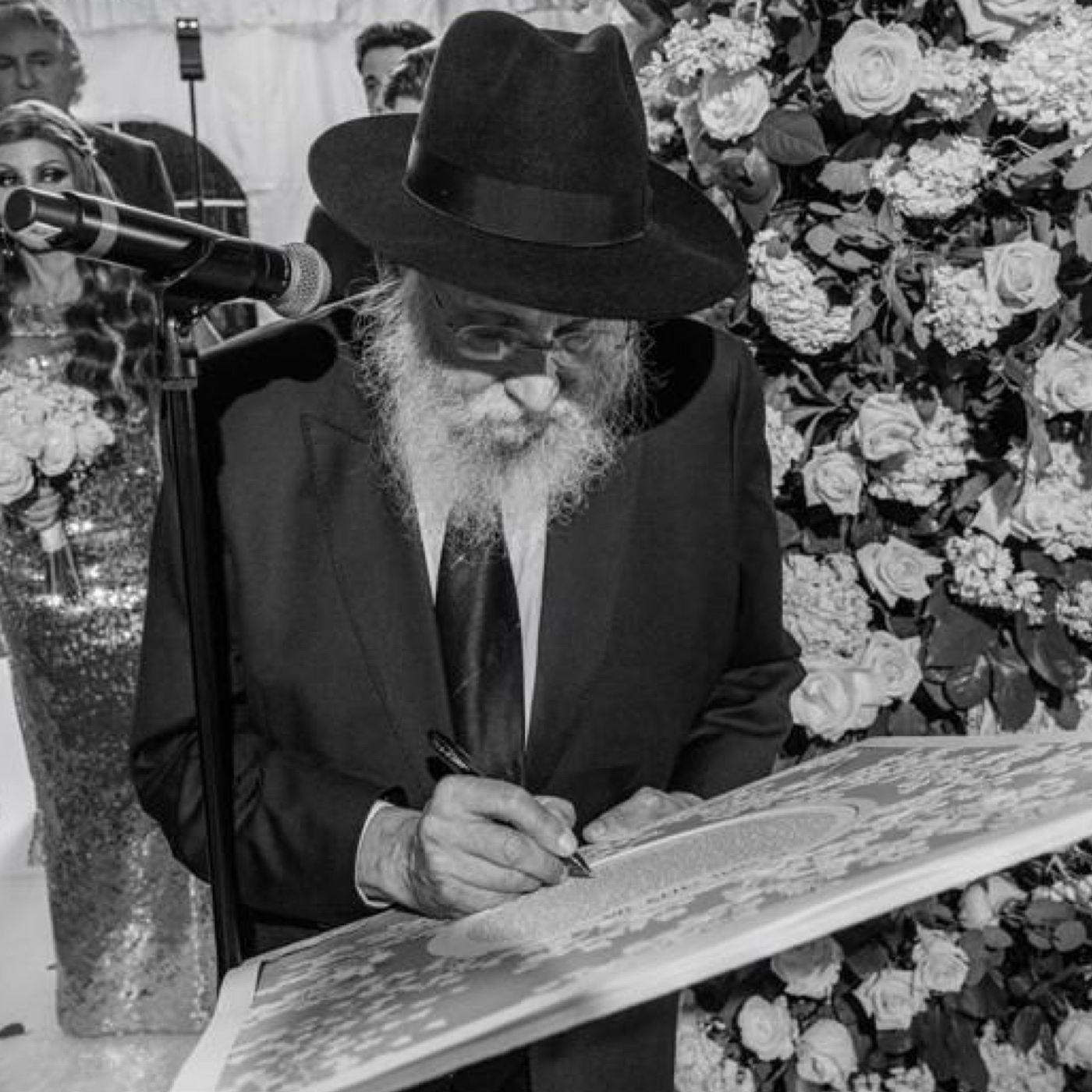
For more than fifty years he was at the brissim, bar and bat mitzvahs, weddings and funerals of hundreds of families, often across three and four generations. It was not unusual to find cars parked outside his home at two in the morning, belonging to people who had come for counsel.
With Professor Herman Branover he founded the Miami International Conferences on Torah and Science, and in 2004 the Chaim Yakov Shlomo College of Jewish Studies. When Champlain Towers collapsed in Surfside in 2021, the community filled The Shul's nearly completed expansion with everything displaced families needed, and turned to his steady voice, Jewish and not.
5 Iyar 5785 · 3 May 2025
The legacy
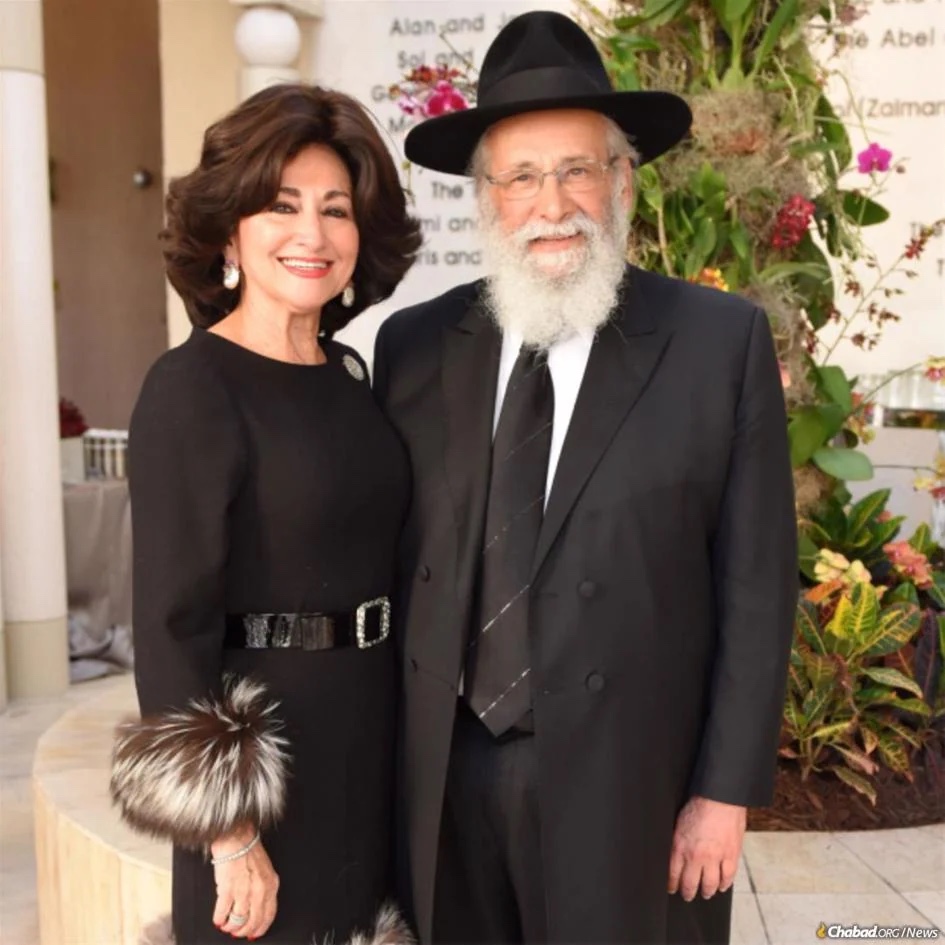
Rabbi Lipskar passed away on 5 Iyar 5785 at the age of 78. Bal Harbour and Surfside flew their flags at half mast during the week of shiva. He is survived by his wife, Rebbetzin Chani Lipskar; his daughter, Devorah Leah Andrusier; his son, Rabbi Zalman Lipskar, who continues his work as Senior Rabbi of The Shul and chairman of the Aleph Institute; and many grandchildren and great-grandchildren.
Those who knew him say the buildings were only the part you could see. The greater work was what changed inside the people he touched.